
Understanding the Husky Temperament: Is It the Right Fit for You?
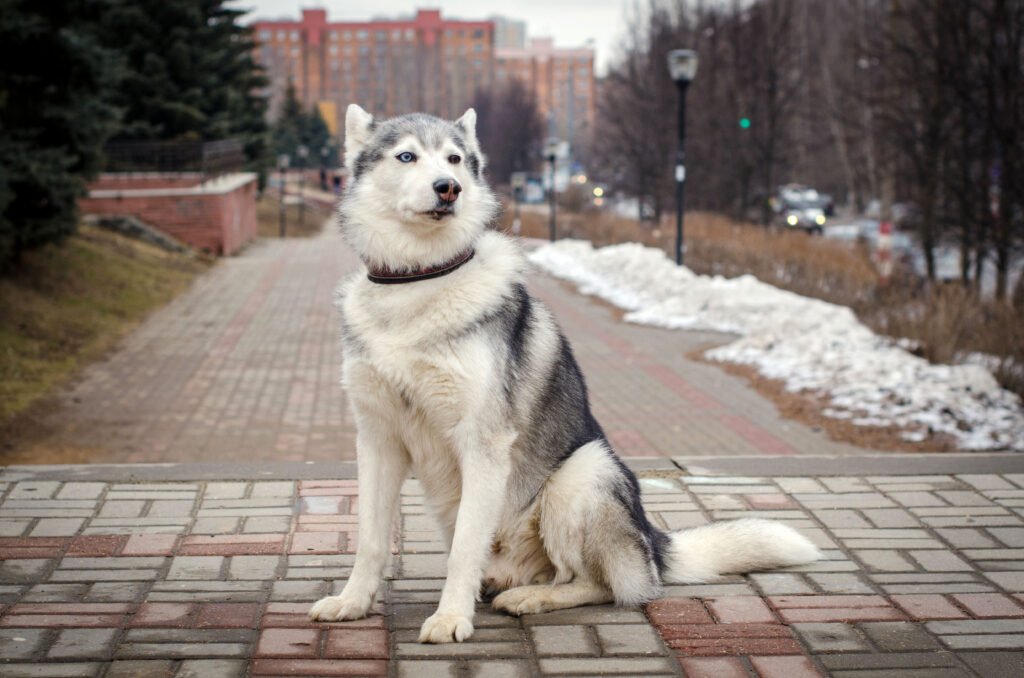
The Siberian Husky is a breed like no other. With its striking looks, wolf-like features, and captivating blue or bi-colored eyes, it is no surprise that many dog lovers are drawn to this Arctic breed. But beyond the visual appeal lies a complex, intelligent, and high-energy temperament that can either enrich your life or challenge your patience, depending on how prepared you are.
Before committing to this breed, it is essential to fully understand the Husky temperament, how it aligns with your lifestyle, and whether this free-spirited dog is truly the right fit for you. In this comprehensive guide, we will break down the key aspects of Husky behavior, personality traits, challenges, and compatibility so you can make an informed decision.
A Glimpse Into Their History: Why It Matters
To truly understand the temperament of a Siberian Husky, you need to look at their origins. Huskies were originally bred by the Chukchi people of northeastern Asia as sled dogs, designed to travel long distances in packs under extreme conditions. They were prized not just for their endurance and strength but for their ability to cooperate with others and work as a team.
This background explains much of the modern Husky’s personality. They are not guard dogs, nor are they particularly territorial. They are pack animals that thrive in group settings, and their breeding history has shaped their independent yet sociable disposition.
Key Temperament Traits of a Siberian Husky
Let us take a closer look at what defines the Husky temperament and what you can expect when living with one.
1. Highly Energetic and Athletic
Huskies have seemingly endless energy. They are not couch potatoes and will not be content with a lazy lifestyle. A bored or under-exercised Husky can become destructive, anxious, or a skilled escape artist.
What it means for you: Be ready for multiple daily walks, play sessions, and activities like running or hiking. Consider dog sports or interactive games to keep them physically and mentally stimulated.
2. Friendly and Outgoing
Despite their intimidating appearance, Huskies are not naturally aggressive or suspicious of strangers. They are usually very social and affectionate with both people and other dogs.
What it means for you: Do not expect your Husky to be a good guard dog. They are more likely to greet an intruder with a tail wag than a bark. However, this friendly nature makes them great family dogs.
3. Strong-Willed and Independent
This is one of the most defining characteristics of the Husky. They are intelligent, but unlike breeds that aim to please their owners, Huskies often make decisions based on their own interests.
What it means for you: Training a Husky requires patience, consistency, and creativity. Harsh methods will not work. Positive reinforcement and short, engaging sessions are best.
4. Vocal and Expressive
Huskies are not known for barking excessively, but they are incredibly vocal in other ways. They howl, talk, and make a wide range of sounds to express themselves.
What it means for you: If you live in a quiet apartment or have noise-sensitive neighbors, a Husky may present a challenge. Their talkative nature is often amusing but can also be disruptive.
5. Pack-Oriented and Social
As pack animals, Huskies prefer not to be alone for long periods. They can suffer from separation anxiety and may develop undesirable behaviors if left without companionship.
What it means for you: If you work long hours or travel frequently, consider whether you can provide the companionship a Husky needs. Some owners opt to have two dogs to meet their social needs.
Training a Husky: The Mental Game
Training a Husky is not about dominance or rigid control. It is about understanding how they think. These dogs respond well to clear boundaries, positive reinforcement, and reward-based systems.
Start training early and stick to routines. Use treats, praise, and games as motivation. Avoid yelling or punishment, as it can backfire with this breed. Huskies are problem-solvers and will quickly find loopholes in inconsistent rules.
Socialization is also critical. Introduce your Husky to different environments, people, and animals early on. A well-socialized Husky is confident, curious, and easier to manage in diverse situations.
Common Behavioral Challenges
Understanding the Husky temperament also means being aware of the behaviors that can become problematic if not managed well.
- Escaping: Huskies are infamous for jumping fences, digging under barriers, and finding clever ways to run free.
- Destructive Behavior: Without enough exercise and stimulation, they may chew, dig, or destroy household items.
- Stubbornness: They may ignore commands, especially if they see no benefit in obeying.
- Chasing Instincts: Their prey drive can be strong, making off-leash walks risky unless in a fully enclosed area.
These issues do not make Huskies bad dogs. They are simply traits that reflect their natural instincts and high intelligence. The key is to channel these behaviors into productive outlets.
Who Should (and Should Not) Own a Husky
A Husky can be an amazing addition to the right household. But they are not ideal for everyone. Here is a breakdown of what kind of owner suits this breed best.
Ideal owners:
- Active individuals or families who enjoy outdoor activities
- People with secure, fenced-in yards and time for daily exercise
- Owners who appreciate a dog with personality and independence
- Experienced dog owners or those willing to invest in training
Not ideal for:
- People with a sedentary lifestyle
- First-time dog owners unwilling to research the breed
- Those who live in hot climates without proper cooling
- Individuals who work long hours and leave the dog alone all day
Matching Lifestyle with Temperament
Compatibility between you and your Husky depends largely on lifestyle. Ask yourself these questions:
- Can I dedicate 1–2 hours daily for physical and mental exercise?
- Am I comfortable with a dog that may not always obey instantly?
- Do I have patience and consistency for long-term training?
- Is my living space appropriate for a high-energy dog?
- Can I provide regular companionship and avoid long periods of isolation?
If you answer yes to most of these, you are likely a good match for a Husky.
Husky Temperament with Kids and Other Pets
Huskies are generally good with children due to their playful and gentle nature. However, supervision is always important, especially with younger kids who may not understand boundaries.
When it comes to other pets, early socialization is key. Huskies can get along well with other dogs, particularly those of similar energy levels. Their prey drive, however, means caution is needed around smaller animals like cats or rabbits.
Introduce other pets slowly and under supervision. With the right training and exposure, many Huskies live peacefully in multi-pet households.
Final Thoughts: Is a Husky the Right Dog for You?
Owning a Siberian Husky is a rewarding experience, but it is not one to take lightly. These dogs are intelligent, loving, and full of personality. They will make you laugh, challenge your patience, and keep you active every single day.
If you are looking for a loyal companion with a mind of their own, and you are ready to meet their unique needs, the Husky might just be your perfect match. But if you are expecting an easygoing, obedient dog that thrives on minimal interaction, you may want to consider a different breed.
Understanding the Husky temperament is the first step toward building a successful relationship with this majestic animal. With the right preparation and mindset, your Husky can become one of the most unforgettable companions you will ever have.