
Helping Your Overweight Husky: Best Diet Plan and Advice
Keeping your Husky healthy is about more than daily walks and good food—it’s also about making sure they stay at a healthy weight. Huskies are known for their athletic, lean builds, so even a little extra weight can put pressure on their joints and lead to health problems down the line. If you’re wondering whether your Husky has packed on a few extra pounds, don’t worry. This guide will help you spot the signs and give you simple steps to help your dog get back into top shape.
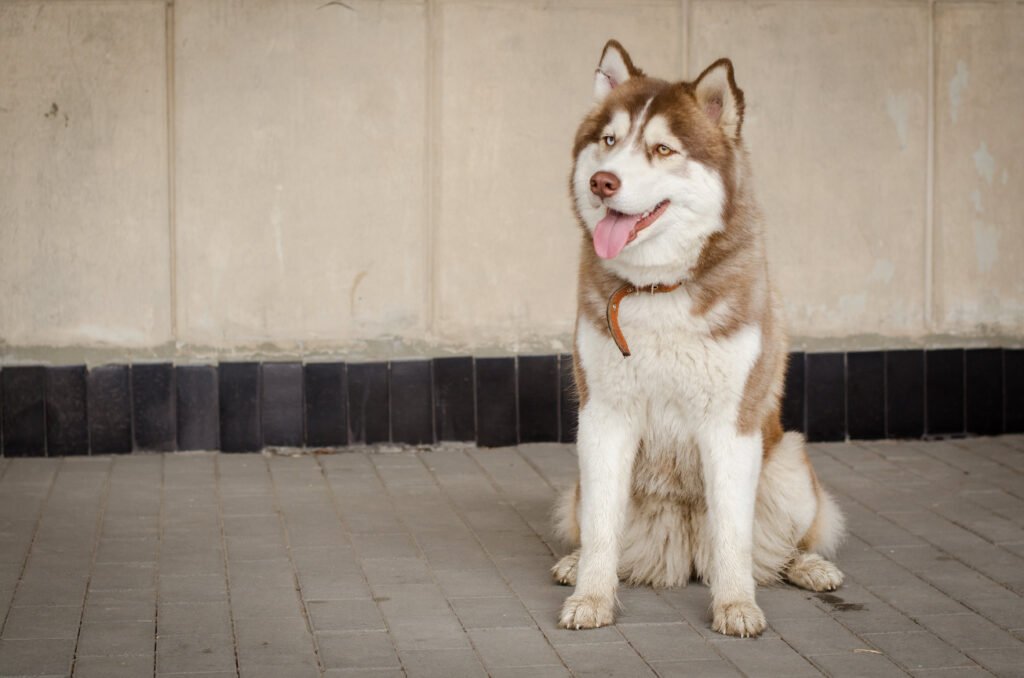
How to Recognize If Your Husky Is Overweight
Feeling Their Ribs
One of the easiest ways to check your Husky’s weight is by feeling their ribs. You should be able to feel them easily under a slight layer of fat. If you have to press down firmly or can’t feel them at all, your Husky may be overweight.
Looking at Their Shape
When viewed from above, a healthy Husky should have a visible waist between the ribs and hips. If the waist is missing and your dog looks more like a sausage, that’s a sign they’re carrying extra weight.
Watching Their Energy Levels
Huskies are usually full of energy. If yours seems tired, sluggish, or uninterested in playtime or walks, it might be a sign that extra weight is weighing them down.
Mobility Problems
Difficulty climbing stairs, getting into the car, or even just running around can also hint that your Husky is heavier than they should be.
Why Extra Weight Is a Big Deal
Extra pounds can lead to serious health risks for Huskies, including:
- Joint pain and arthritis
- Diabetes
- Heart and lung problems
- Shortened lifespan
Helping your Husky maintain a healthy weight is not just about looks, it’s about giving them a longer, happier life.
What Causes Huskies to Gain Weight
Overfeeding
It’s easy to overfeed a Husky, especially if they’re good at begging. Keep an eye on portion sizes and feeding frequency.
Lack of Exercise
Huskies were bred to run for miles. Without enough exercise, they can quickly gain weight.
Aging
As dogs get older, their metabolism slows down. Older Huskies often need fewer calories and different types of activities.
Medical Issues
Sometimes weight gain is linked to thyroid problems or other health conditions. If your Husky gains weight rapidly, check with your vet.
Steps to Help Your Husky Lose Weight
Talk to Your Vet First
Before starting a weight loss plan, it’s a good idea to visit the vet. They can rule out any underlying health issues and help set a safe target weight.
Adjust Their Diet
- Switch to a high-quality, weight-management dog food.
- Measure meals carefully. Use a measuring cup rather than guessing.
- Cut back on treats, or swap to healthier options like carrots.
Create a Feeding Schedule
Instead of free-feeding, stick to two measured meals per day. Routine helps control calorie intake.
Boost Their Exercise
Start slow if your Husky is very overweight, but build up gradually.
- Longer walks (aim for 30–45 minutes twice a day)
- Play sessions with fetch or tug-of-war
- Hiking or running once they’re fitter (Huskies love adventure!)
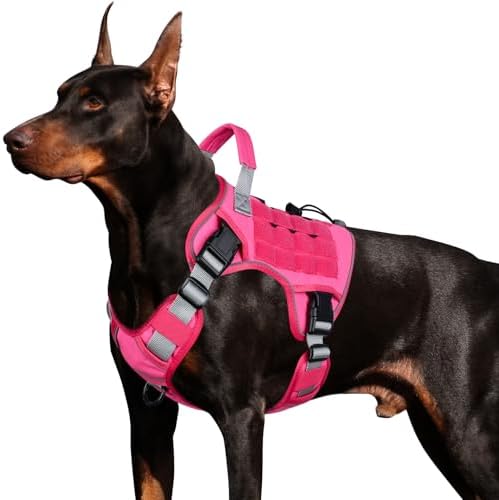
Consider using a good quality harness for better support during walks. Below is my recommendation and what i currently use.
Monitor Their Progress
Track your Husky’s weight monthly. Noticeable changes in energy levels and body shape are just as important as numbers on a scale.
How to Create a Weight Loss Plan for Your Husky
Helping your Husky lose weight safely is all about gradual, steady changes. Crash diets don’t work for dogs or humans!
Step 1: Calculate Calorie Needs
Ask your vet how many calories your Husky should eat daily for weight loss. Huskies typically need fewer calories than you might think, especially when they’re overweight.
Step 2: Choose the Right Food
Pick a food that is high in protein, moderate in fat, and low in unnecessary fillers.
Step 3: Set Realistic Goals
Healthy weight loss for dogs is about 1–2% of their body weight per week. Rapid weight loss can cause other health issues.
Step 4: Be Consistent
Consistency is key. Stick to the feeding schedule, control treats, and maintain exercise even on “lazy” days.
Sample Daily Routine for a Husky on a Weight Loss Plan
- 7:00 AM: Morning walk (20–30 minutes)
- 7:45 AM: Breakfast (measured portion)
- Noon: Short play session (fetch, tug-of-war)
- 3:00 PM: Training session with low-calorie treats
- 6:00 PM: Evening walk (30–45 minutes)
- 7:00 PM: Dinner (measured portion)
- 9:00 PM: Light indoor play or mental stimulation (puzzle toys)

Realistic Timeline for Weight Loss
Weight loss for Huskies is not overnight. Depending on how much your dog needs to lose, expect:
- Mild overweight: 2–3 months
- Moderate to significant overweight: 4–6 months
Patience is crucial. Remember, the goal is health, not just fast results.
Mental Stimulation as Part of Weight Loss
Mental exercise is just as important as physical activity for Huskies. These dogs are smart and can become bored easily, which sometimes leads to emotional eating or destructive behavior.
- Introduce puzzle feeders or treat-dispensing toys (Linked a puzzle feeder above for your convenience.)
- Teach new tricks to keep their mind sharp
- Set up mini obstacle courses in your yard
A mentally stimulated Husky is less likely to overeat out of boredom and more likely to stay active and engaged.
Special Considerations for Senior Huskies
Older Huskies need special care when it comes to weight management.
- Choose senior-specific weight management dog food
- Focus on low-impact exercises like swimming or short, gentle walks
- Monitor for arthritis, which can make movement painful
Keeping a senior Husky fit can dramatically improve their quality of life and even ease age-related joint pain.
Signs Your Weight Loss Plan Is Working
Besides the numbers on the scale, look for these positive changes:
- A more defined waistline
- Easier movement and improved stamina
- Renewed interest in playtime
- Brighter, more alert behavior
Small victories add up. Celebrate these milestones just as much as the weight itself.
Common Mistakes Owners Make When Managing Husky Weight
Cutting Calories Too Much
Severely restricting food can lead to nutritional deficiencies and cause your Husky to lose muscle mass instead of fat.
Overexercising Too Quickly
Jumping into intense exercise without conditioning can injure an overweight Husky. Build stamina gradually.
Giving In to Begging
It’s tough to resist those pleading eyes, but giving extra treats or scraps will undo your hard work.
Not Monitoring Progress
Without tracking changes, it’s easy to lose momentum. Regular weigh-ins and body checks help keep the plan on track.
Frequently Asked Questions About Overweight Huskies
How much exercise does an overweight Husky need?
Start with moderate walks twice daily and gradually add more time or activities as their stamina improves.
Can I still give my Husky treats while they’re losing weight?
Yes—but choose healthy, low-calorie treats and use them sparingly. Break treats into smaller pieces for training.
What if my Husky isn’t losing weight despite my efforts?
Go back to your vet. It could be that hidden calories (like table scraps) are adding up, or a medical condition might be in play.
Should I switch to a raw diet for weight loss?
Only under the guidance of a vet or canine nutritionist. Raw diets have risks and benefits that need professional advice.
Extra Tips for Keeping Your Husky Fit
- Keep a food diary. Writing it down makes it easier to spot mistakes.
- Stay active together. Make exercise fun with games, hiking, or even dog-friendly obstacle courses.
- Watch out for “weight creep.” Check your Husky’s waistline regularly, not just the scale.
- Keep training sessions playful and upbeat.
Conclusion: A Happier, Healthier Husky Awaits
Spotting extra weight early and taking action can transform your Husky’s life. You’re not just helping them shed pounds, you’re giving them a better, longer, and more vibrant future. It takes patience, consistency, and love, but it’s one of the best gifts you can give your furry best friend.
Stay positive, stay committed. Your Husky is counting on you!