
10 Common Mistakes New Husky Owners Make (and How to Avoid Them)
Bringing a Siberian Husky into your life is like inviting in a whirlwind of energy, personality, and beauty. These dogs are athletic, intelligent, and deeply social. But they are also known for challenging even experienced dog owners. If you are new to the breed, it is easy to fall into some common traps that can lead to frustration, behavioral issues, or even regret.
To help you build a stronger bond and avoid rookie mistakes, here are ten things Husky owners often get wrong, along with what you can do to raise a happy, well-adjusted dog.
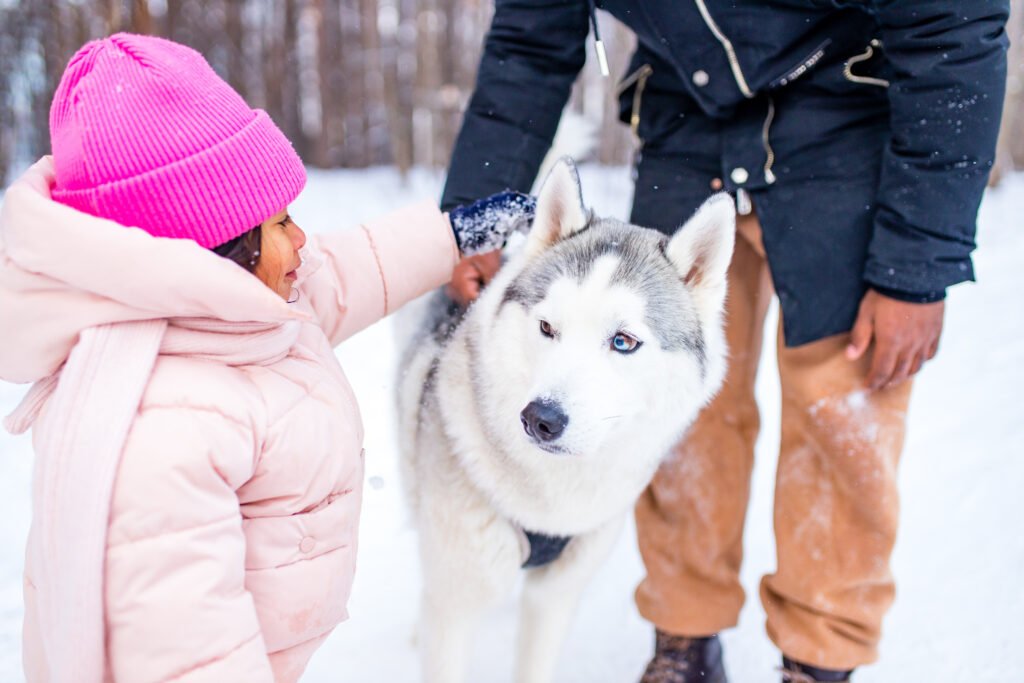
1. Underestimating How Much Exercise They Really Need
Many first-time Husky owners assume that a couple of short walks each day will be enough. The truth is, Huskies were bred to run for miles in harsh environments, and they still carry that same endurance and drive. Without enough physical activity, they quickly become bored, restless, and even destructive. Chewing furniture, digging holes, or howling all day are common signs of unmet energy needs.
How to avoid it:
Plan for at least one to two hours of exercise every day. Combine structured walks with off-leash running in secure areas and interactive games. Huskies thrive when they can participate in dog sports like canicross or agility. A tired Husky is much more likely to be calm and well-behaved at home.
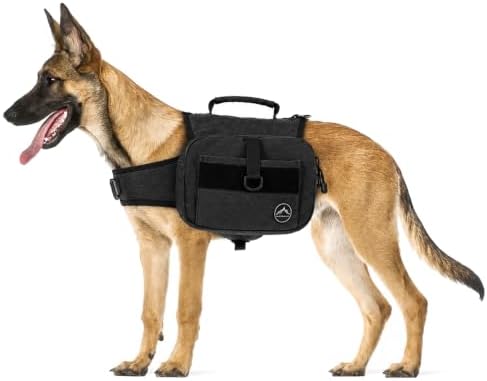
If you’re wondering how to actually meet your Husky’s demanding exercise needs, the right tools can make a huge difference. We know firsthand how tough it can be to keep up with their stamina, which is why these recommendations are based on real experience. From hands-free leashes to Husky-tested toys, these picks are designed to keep your high-energy dog engaged, satisfied, and happy.


2. Confusing Friendliness with Obedience
It is easy to assume that a friendly dog will also be easy to train. Huskies are incredibly social, often great with children, and rarely aggressive. But while they love people, they are also fiercely independent. They may know exactly what you are asking them to do and still choose not to do it.
How to avoid it:
Begin training early and keep sessions short, consistent, and fun. Use positive reinforcement such as treats, toys, and praise. Harsh methods often backfire with this breed. Instead, be patient and make training feel like a game. Huskies respond best when they are mentally stimulated and engaged.
3. Letting Them Roam Free Too Soon
Some owners avoid crate training because they feel it is restrictive or unnecessary. The reality is, giving a young Husky too much freedom too soon can lead to chaos. These dogs are curious, determined, and often destructive when left unsupervised.
How to avoid it:
Introduce crate training from day one and make it a positive experience. Add soft bedding, favorite toys, and treats to help your Husky feel comfortable. Use the crate as a safe space, not a punishment. Over time, most Huskies come to see their crate as their personal den.
4. Thinking Your Fence Is Escape-Proof
Huskies are escape artists. Many owners believe their backyard is secure, only to find their Husky has jumped the fence, dug underneath it, or figured out how to open the gate. These dogs are highly intelligent and easily bored, which makes escaping feel like an exciting challenge.
How to avoid it:
Install a fence that is at least six feet tall with no nearby objects that could be used for climbing. Bury wire mesh or bricks along the fence line to stop digging. Never leave your Husky outside unattended for long periods. A top notch GPS collar is a smart investment for added safety.


5. Forgetting to Challenge Their Mind
Even after a long run, a mentally bored Husky can still find ways to get into trouble. They are intelligent dogs that crave stimulation. Without it, they may resort to unwanted behaviors like excessive barking, destructive chewing, or relentless pacing.
How to avoid it:
Incorporate mental activities into your daily routine. Use puzzle toys, treat-dispensing games, and scent-based exercises. Teach new tricks or play interactive games like hide-and-seek. These tasks help burn mental energy and give your Husky a productive way to stay engaged.
6. Neglecting Their Unique Grooming Needs
Huskies have a thick double coat that helps regulate their body temperature in both hot and cold climates. Some owners mistakenly think they do not shed much, while others make the harmful decision to shave their coat in the summer.
How to avoid it:
Brush your Husky at least two to three times a week, and increase to daily grooming during heavy shedding seasons. Use tools like an undercoat rake or slicker brush to remove loose fur and reduce matting. Never shave a Husky. Their coat is designed to protect them year-round and shaving can lead to long-term damage.
7. Feeding a Poor-Quality or Imbalanced Diet
Huskies do not need large portions of food compared to other dogs their size, but the quality of their diet matters. Feeding low-grade kibble or giving too many treats can lead to health issues, poor coat condition, or digestive problems.
How to avoid it:
Choose a high-protein, well-balanced dog food that is made for active breeds. Look for whole ingredients and avoid fillers. You can also mix in freeze-dried toppers or fresh options occasionally. Always check with your vet before making major changes to your dog’s diet.
8. Delaying Socialization During the Critical Window
Socialization is about more than meeting other dogs. It includes exposure to different environments, people, sounds, and situations. Missing this key window during early puppyhood can lead to anxiety, fear, or reactivity later on.
How to avoid it:
Begin socializing your Husky between eight and sixteen weeks of age. Introduce them to car rides, parks, sidewalks, friendly strangers, and various textures and surfaces. Puppy classes are also a great way to build confidence while laying the groundwork for future obedience.
9. Choosing a Husky Just for the Looks
The Siberian Husky is undeniably beautiful, which leads many people to choose the breed based on appearance alone. However, behind those striking eyes is a high-energy, strong-willed dog that needs significant time, attention, and training.
How to avoid it:
Do plenty of research before bringing a Husky home. Talk to current owners, volunteer at a rescue, or consider fostering first. Make sure your lifestyle matches the breed’s needs so you can give your dog the home they truly deserve.
10. Being Inconsistent with Rules and Training
Training a Husky takes patience, but it also takes consistency. If one day they are allowed on the couch and the next day they are scolded for it, confusion sets in. Inconsistent rules create mixed messages and open the door to long-term behavioral problems.
How to avoid it:
Set clear rules and routines from day one. Make sure everyone in the household follows the same guidelines. Huskies thrive when they understand what is expected of them. Structure and fairness help build trust and cooperation.
Final Thoughts and Recommended Toys
Raising a Husky is not always easy, but it is absolutely worth it. These dogs are full of spirit, humor, and heart. They will test your patience, challenge your limits, and keep you on your toes. But when you meet their needs and build mutual respect, you will earn the love of a companion like no other.
Avoiding these common mistakes will not only make your life easier. It will create a deeper bond with your Husky and help them become the loyal, joyful, and confident dog they were meant to be.
Some of the best toys we’ve used have stood the test of time. Below are a few of our favorites, all tested with real Huskies and proven to hold up under pressure. One standout is the classic KONG. It’s the most durable toy we’ve ever owned — ours has lasted over 11 years and is still going strong.